How Rodents Compromise Insulation and Indoor Air Quality
Local contractors can help remove rodents that damage insulation and degrade indoor air quality, restoring a safer, cleaner home environment.
Property owners in the area often find themselves concerned about how rodents can impact their homes beyond just unwanted visitors. One common issue is how rodents compromise insulation, creating pathways that allow pests to burrow and nest, which can reduce the effectiveness of insulation and lead to increased energy costs. Additionally, rodents can introduce contaminants into the indoor environment, affecting indoor air quality and potentially causing health issues for inhabitants. Recognizing these risks highlights the importance of addressing rodent activity promptly to maintain a safe and comfortable living space.
Understanding how rodents compromise insulation and indoor air quality underscores the value of professional rodent removal services offered by local contractors. These experts can identify and eliminate rodent populations, preventing further damage and contamination. Proper removal and inspection help ensure that insulation remains effective and indoor air stays clean, supporting a healthier home environment. Exploring these services can be a practical step for property owners seeking to protect their investment and improve overall indoor comfort.
- Rodent Infestation in Attics - homeowners noticing signs of rodent activity in attic spaces can rely on local contractors to remove pests and assess insulation damage.
- Contaminated Insulation Removal - when insulation becomes contaminated with rodent droppings or urine, local service providers can safely remove and replace it.
- Air Quality Concerns - individuals experiencing indoor air quality issues linked to rodent presence can find local pros to eliminate pests and improve ventilation.
- Structural Damage from Rodents - properties with chewed wiring or compromised insulation due to rodents often require expert removal and repair services.
- Preventative Pest Control - those seeking to prevent future rodent issues that threaten insulation and air quality can connect with local contractors for ongoing pest management.
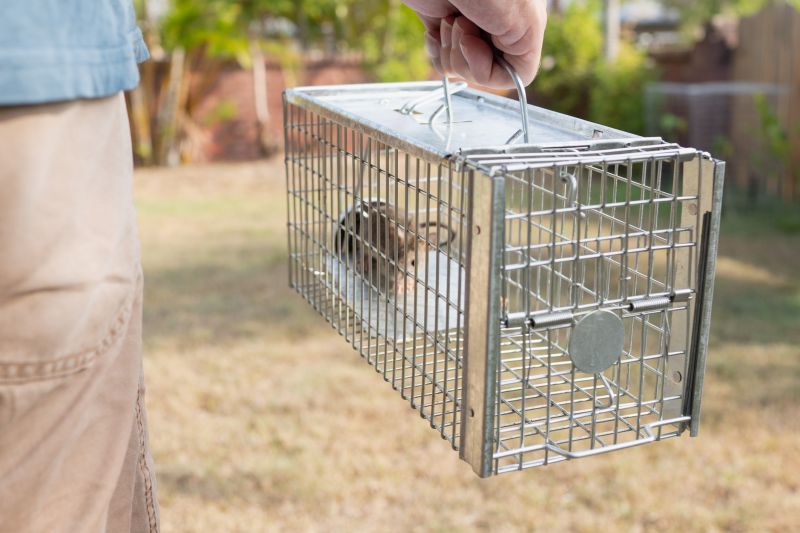
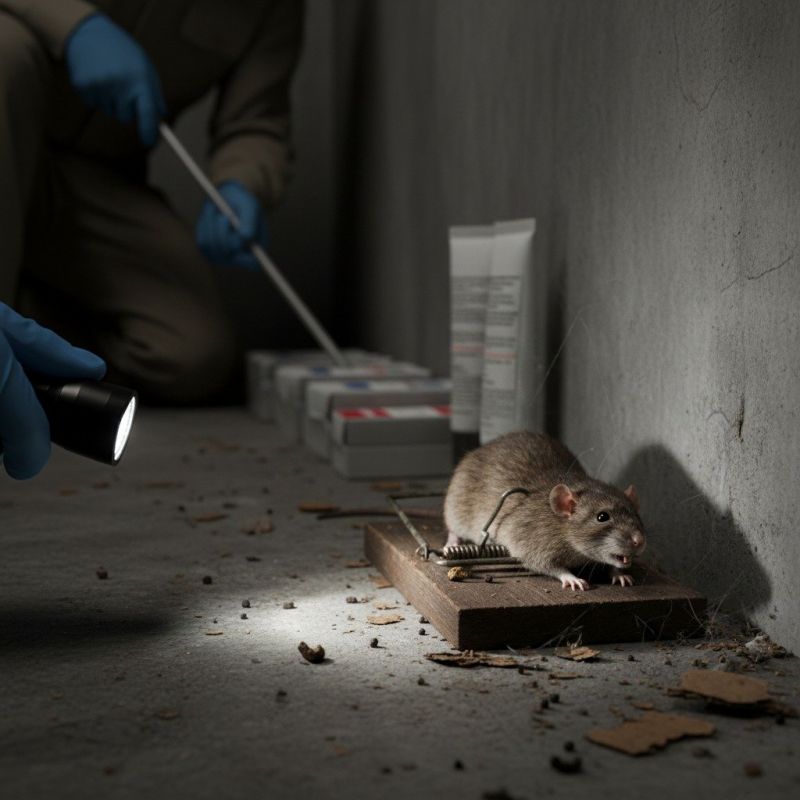
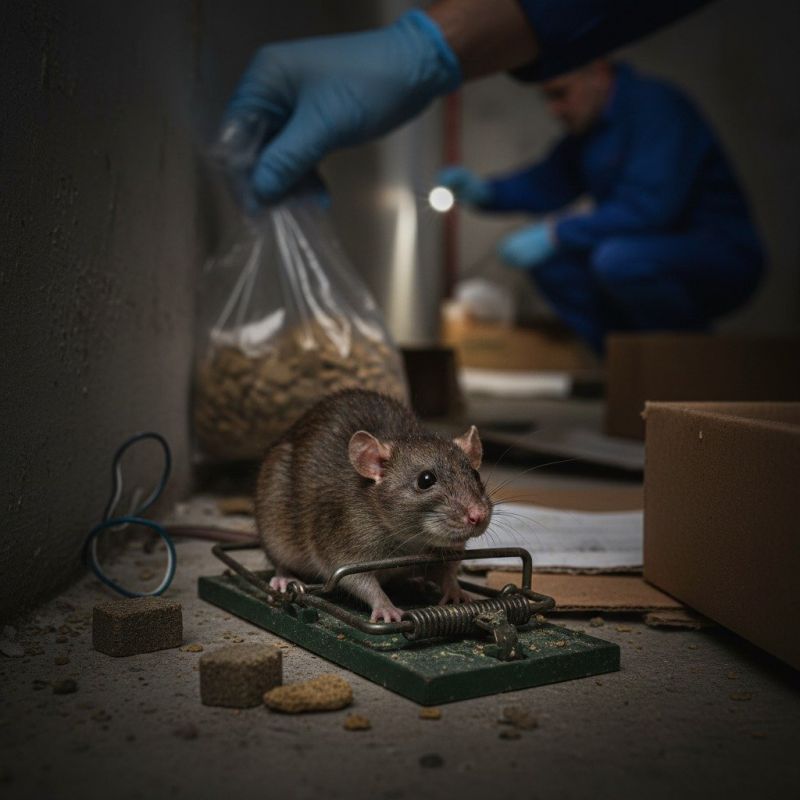
When people search for how rodents compromise insulation and indoor air quality, they are usually concerned about hidden pest problems that might not be immediately visible. The focus is often on understanding how rodents, such as mice and rats, can cause damage inside a home’s walls and attic spaces. Many homeowners discover issues when they notice increased dust, strange odors, or signs of rodent activity like droppings and gnaw marks. This topic is relevant to those planning home inspections, repairs, or pest control efforts aimed at safeguarding the comfort and safety of their living environment.
These concerns are closely linked to problems such as increased energy bills, health issues from airborne contaminants, and the need for insulation replacement or reinforcement. Rodents often burrow into insulation to create nests, which can lead to insulation becoming compacted, torn, or contaminated with droppings and urine. This not only reduces the insulation’s effectiveness but also introduces potential health hazards. Homeowners may also be considering how to prevent rodents from returning, which involves assessing the integrity of attic and wall insulation and ensuring proper pest exclusion measures are in place.
The types of properties most commonly affected by these issues include residential homes, especially those with attics, basements, or crawl spaces. Older houses with gaps or cracks in the foundation or exterior walls are more vulnerable to rodent entry. Homes with accessible attic spaces or poorly sealed vents and openings provide easy access for rodents to establish nests. Additionally, properties located near wooded areas, parks, or other natural habitats tend to face higher risks of rodent intrusion. These factors make it important for homeowners to evaluate their insulation and pest control strategies as part of ongoing home maintenance or renovation projects.
Local service providers specializing in rodent removal and pest-proofing can play a key role in addressing these concerns. They can assess how rodents have impacted insulation and indoor air quality, recommend necessary repairs, and implement effective exclusion techniques. These professionals help ensure that homes are sealed against rodent entry, and that contaminated or damaged insulation is properly removed and replaced if needed. Connecting with experienced local contractors provides homeowners with practical solutions to restore insulation performance and improve indoor air quality, making the home safer and more comfortable in the process.
Attic Insulation Replacement - professionals specializing in attic insulation removal and replacement can address damage caused by rodents, ensuring improved indoor air quality and energy efficiency.
Pest Damage Repair - contractors experienced in repairing rodent-infested areas can restore compromised insulation and prevent further contamination of indoor environments.
Air Duct Cleaning - service providers who clean and sanitize ductwork help remove rodent droppings and nesting materials that negatively impact indoor air quality.
Home Inspection Services - inspectors can identify signs of rodent activity and insulation damage, guiding homeowners to appropriate remediation solutions.
Rodent Proofing and Exclusion - specialists can seal entry points to prevent future rodent infestations that threaten insulation and indoor air quality.
Insulation Installation - local contractors can install new insulation after rodent removal, ensuring a clean and healthy indoor environment.
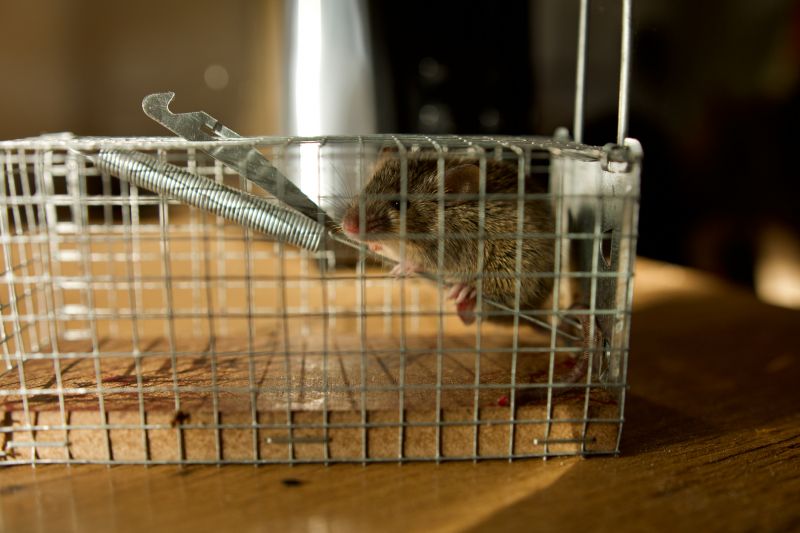
When comparing service providers for rodent removal, it is important to consider their experience with similar projects, particularly those involving insulation and indoor air quality concerns. Homeowners should inquire about the contractor’s background in handling rodent infestations that have impacted insulation, as well as their knowledge of how rodents can compromise indoor air quality through droppings, nesting materials, and damage to structural components. A contractor with relevant experience is more likely to understand the complexities of safely removing rodents and restoring insulation, ensuring that the work is done thoroughly and effectively.
Clear written expectations are essential when selecting a service provider for rodent removal. Homeowners should seek detailed descriptions of the scope of work, including inspection procedures, removal methods, and any necessary repairs or replacements of insulation. Transparent communication about what the project entails helps prevent misunderstandings and ensures that both parties are aligned on the desired outcomes. Reputable local contractors typically provide comprehensive estimates or proposals that outline each step of the process, making it easier to compare options and choose a provider that offers clarity and professionalism.
Reputable references and good communication are key factors in evaluating potential service providers. Homeowners are encouraged to ask for references from previous clients who experienced similar issues, such as rodent-related damage to insulation or indoor air quality concerns. Contacting these references can provide insights into the contractor’s reliability, quality of work, and professionalism. Additionally, responsive and clear communication during the inquiry process indicates a contractor’s willingness to address questions and concerns, which can be a strong indicator of a positive working relationship. Ensuring that the selected service provider demonstrates experience, transparency, and effective communication can lead to a successful resolution of rodent-related issues affecting insulation and indoor air quality.
Property owners often search for how rodents compromise insulation and indoor air quality when they are planning practical projects around their homes and businesses. Local pros provide Rodent Removal services for everyday jobs and straightforward project options.
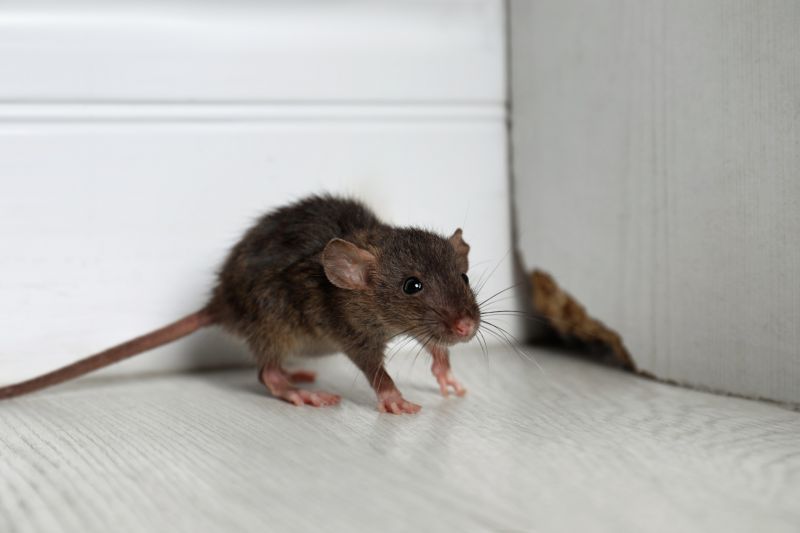
Rodents can cause significant issues for property owners when they invade attics, wall cavities, or basements. Their nesting habits often involve tearing apart insulation materials to create comfortable spaces, which can lead to reduced thermal efficiency and increased energy costs. Additionally, rodent droppings, urine, and shed fur can contaminate insulation, making it a breeding ground for bacteria and other pathogens. This contamination not only diminishes the insulation’s effectiveness but also raises concerns about indoor air quality, as airborne particles and allergens can become more prevalent in the living environment.
Property owners noticing unusual odors, increased allergy symptoms, or signs of rodent activity may consider reaching out to local contractors experienced in rodent removal. These professionals can assess the extent of insulation damage and contamination, and recommend appropriate removal and replacement strategies. Addressing rodent issues promptly helps restore insulation’s insulating properties and improves indoor air quality, creating a safer and more comfortable living space. Connecting with experienced service providers ensures that the problem is handled effectively and thoroughly.
How do rodents affect insulation in a home? Rodents often nest in insulation, causing it to become compressed, damaged, or contaminated, which reduces its effectiveness and can lead to increased energy costs.
In what ways can rodents impact indoor air quality? Rodent droppings, urine, and nesting materials can release allergens and airborne pathogens, leading to poor indoor air quality and potential health issues.
Why is it important to remove rodents from insulation and attics? Removing rodents helps prevent further damage to insulation, reduces health risks from droppings and urine, and restores indoor air quality to safer levels.
How do local contractors handle rodent-related insulation issues? Trained service providers inspect affected areas, safely remove rodents and contaminated materials, and recommend proper insulation replacement or treatment to prevent future infestations.
Can damaged insulation from rodents be repaired or replaced? Yes, local pros can assess the extent of damage and perform insulation removal and replacement to restore insulation’s effectiveness and improve indoor air quality.
Identify areas of insulation damage - property owners can inspect their attics and walls for signs of rodent activity, helping local contractors target removal and repair efforts.
Improve ventilation systems - upgrading or maintaining indoor air circulation can reduce the buildup of contaminants caused by rodents compromising insulation.
Seal entry points - blocking gaps and holes prevents rodents from accessing insulation areas, reducing ongoing damage and contamination risks.
Replace contaminated insulation - removing and installing new insulation can restore indoor air quality and prevent health issues related to rodent intrusion.
If you are thinking about how rodents compromise insulation and indoor air quality for a property, this guide is meant to help you understand this topic, the typical project types, and how different options might fit your plans.
When you are ready, you can use the quote form on this page to share a few details about your project. From there, local pros can review the basics and follow up with options that match what you have in mind.