How Rodents Contaminate Food Storage Areas and Pantries
Local service providers can help prevent rodents from contaminating food storage areas and pantries by safely removing pests and securing your space.
Visitors exploring information about how rodents contaminate food storage areas and pantries are in the right place. Property owners in the area often seek practical solutions to protect their food supplies from pests that can cause significant health risks and property damage. Understanding how rodents access and compromise storage spaces can help homeowners and business owners take proactive steps to safeguard their food. As this issue can lead to contamination and waste, many turn to local contractors who specialize in rodent removal services to effectively address and prevent infestations.
Continuing to explore this topic can reveal important insights into the ways rodents infiltrate storage areas and the potential consequences of neglecting pest control. Local service providers are equipped to handle these challenges, offering targeted solutions to eliminate rodents and secure food storage environments. By connecting with experienced professionals, property owners can better protect their food supplies and maintain a clean, safe space. Keep reading to learn more about how rodents contaminate food storage areas and how local experts can help manage the problem.
- Rodent exclusion - when food storage areas and pantries show signs of rodent activity, local contractors can implement measures to prevent further contamination.
- Infestation cleanup - after discovering rodent presence in food storage spaces, service providers can safely remove rodents and contaminated materials.
- Sanitation services - to reduce the risk of food contamination, local pros can thoroughly clean and disinfect affected pantry and storage areas.
- Rodent proofing - if rodents are gaining access to food storage zones, contractors can seal entry points to protect against future contamination.
- Pest proofing consultation - when concerns about how rodents contaminate food storage areas and pantries arise, experts can assess vulnerabilities and recommend solutions.
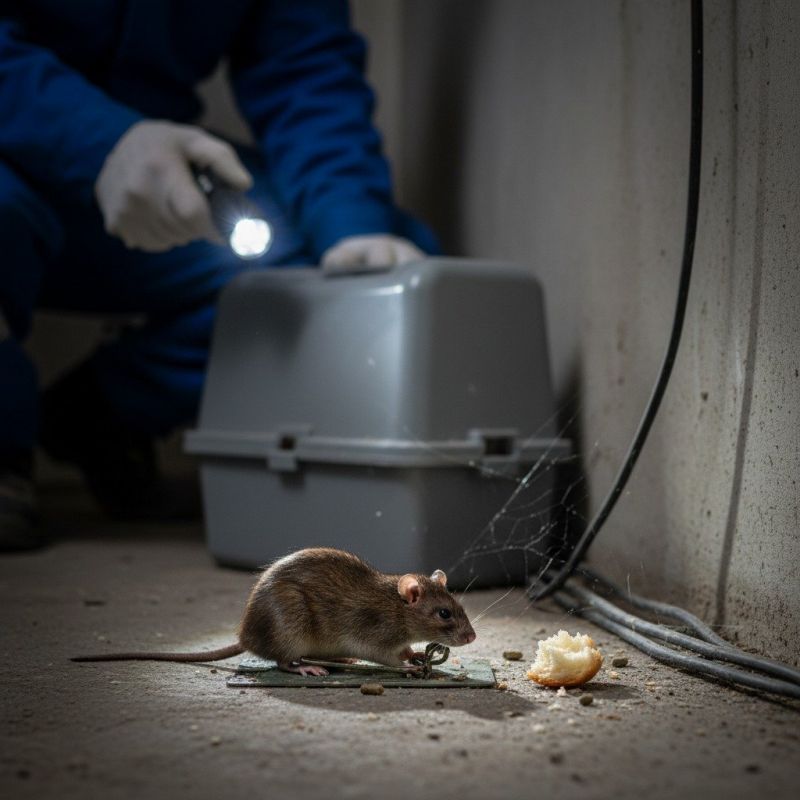
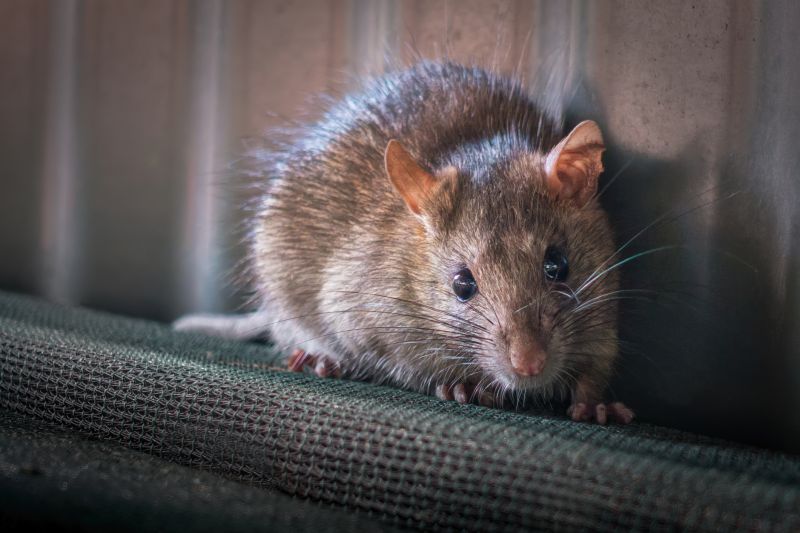
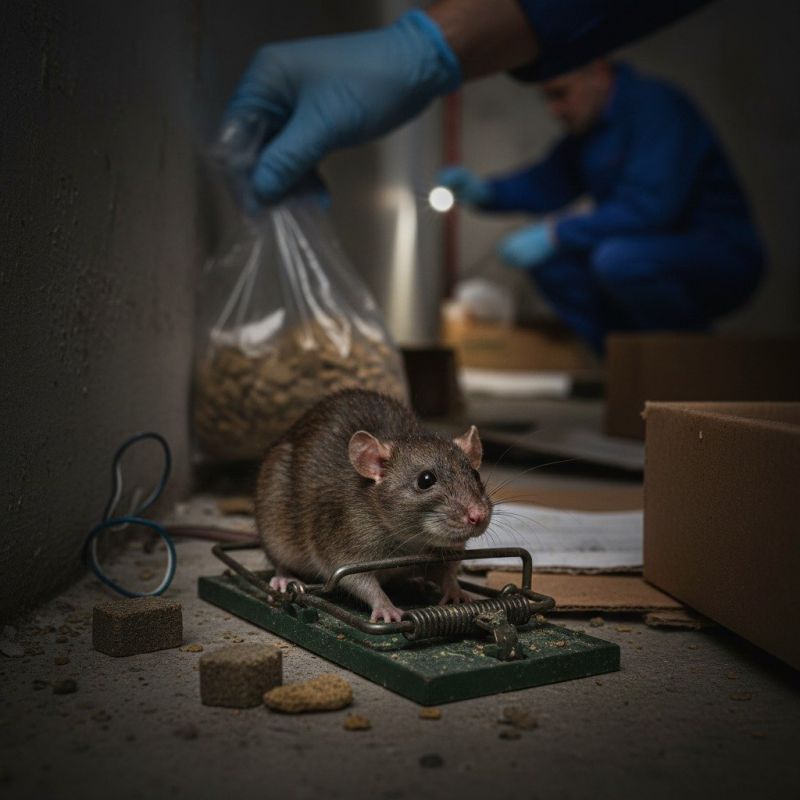
When people search for how rodents contaminate food storage areas and pantries, they are typically concerned about the health risks and property damage caused by these pests. This topic often comes up in the context of maintaining a clean, safe environment for food storage, especially in homes, restaurants, or other food-related properties. Individuals may notice signs of rodent activity, such as droppings, gnaw marks, or strange odors, and want to understand how these pests can compromise their food supplies. The focus is usually on identifying the ways rodents access food storage spaces and preventing contamination to avoid potential health hazards or the spread of disease.
The problems associated with rodent contamination in food storage areas are significant. Rodents are known to carry pathogens that can contaminate food directly through their droppings, urine, or saliva. They also introduce bacteria and parasites that pose health risks to humans. Additionally, rodents often gnaw on packaging, causing physical damage that exposes food to further contamination. For property owners planning to address these issues, the goal is often to eliminate existing infestations and implement strategies to prevent future problems. This can involve sealing entry points, cleaning storage areas thoroughly, and setting up effective pest control measures.
The types of properties most commonly affected by rodent contamination in food storage areas include residential homes, especially kitchens and pantries, as well as commercial establishments like restaurants, grocery stores, and food warehouses. These properties typically have accessible food supplies that can attract rodents, making them vulnerable to infestations. Attics, basements, and storage rooms are also common sites where rodents may establish nests and contaminate stored food. Property owners and managers in these settings often seek professional pest control services to assess the extent of the problem, remove rodents safely, and implement long-term prevention plans to protect their food supplies.
Understanding how rodents contaminate food storage areas and pantries helps property owners recognize the importance of prompt and effective pest management. Local contractors who specialize in rodent removal can evaluate the property, identify entry points, and develop tailored solutions to eliminate infestations. These professionals play a crucial role in restoring a safe environment by removing existing rodents and helping to prevent future contamination. For homeowners and business owners alike, connecting with experienced service providers ensures that food storage areas remain clean, safe, and free from the health risks associated with rodent activity.
Pest proofing projects - these involve sealing entry points and securing food storage areas, skills that are essential in preventing rodents from contaminating food supplies.
Building inspections - identifying structural vulnerabilities and areas prone to rodent entry helps in planning effective food storage protection strategies.
Wildlife exclusion services - these projects focus on removing rodents and blocking their access points, directly addressing contamination risks in food storage zones.
Sanitation and cleanup services - ensuring storage areas are clean and free of food debris reduces rodent attractants and contamination potential.
Storage area organization projects - proper shelving and container use minimize rodent access and help maintain food safety in pantries.
Rodent trapping and removal services - targeted removal of rodents prevents ongoing contamination and damage in food storage environments.
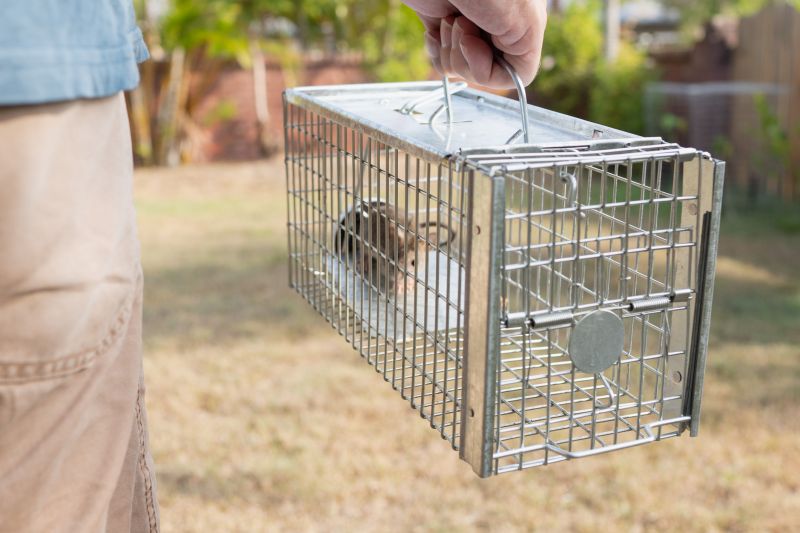
When comparing service providers for rodent removal, it’s important to consider their experience handling similar projects, particularly those involving food storage areas and pantries. A contractor with a proven track record in managing rodent infestations in environments where food safety is a concern can better identify potential entry points, contamination risks, and effective removal strategies. Asking about past work in comparable settings can provide insight into their familiarity with the unique challenges these spaces present, helping to ensure that the chosen professional can address the specific issues related to how rodents contaminate food storage areas and pantries.
Clear written expectations are essential when selecting a rodent removal service. Homeowners should seek providers who can offer detailed descriptions of the scope of work, methods used, and any necessary follow-up procedures. This clarity helps prevent misunderstandings and sets a benchmark for what the project involves, including how contamination risks will be mitigated. Reputable service providers should be willing to provide this information upfront, allowing homeowners to evaluate whether the approach aligns with their concerns about food safety and contamination.
Reputable references and effective communication are key factors to consider during the comparison process. Service providers with positive references from previous clients can offer reassurance about their reliability and professionalism in handling sensitive infestations. Good communication ensures that homeowners can ask questions, express concerns, and receive timely updates throughout the project. When evaluating local contractors, it’s beneficial to prioritize those who demonstrate transparency, responsiveness, and a thorough understanding of how rodents can contaminate food storage areas and pantries, ensuring that the solution will be comprehensive and tailored to the specific needs of the space.
Property owners often search for how rodents contaminate food storage areas and pantries when they are planning practical projects around their homes and businesses. Local pros provide Rodent Removal services for everyday jobs and straightforward project options.
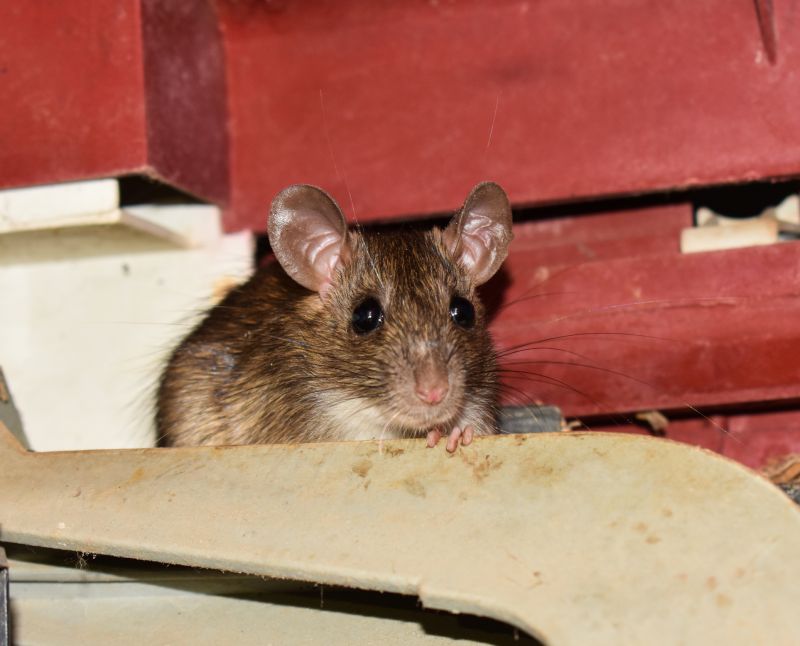

Rodents can easily access food storage areas and pantries through small openings, gaps, or poorly sealed containers. Once inside, they often leave behind droppings, urine, and gnawed packaging, which can contaminate stored food products. This not only leads to wasted supplies but also poses health risks, as rodents are known carriers of bacteria and parasites that can spread illnesses. Property owners in the area who notice signs of rodent activity or suspect contamination should consider reaching out to local contractors experienced in rodent removal to effectively address the problem and protect their food storage spaces.
In many cases, rodents can cause structural damage that makes it easier for them to invade food areas, such as chewing through drywall or insulation. Their presence can also attract other pests, compounding the contamination issue. To prevent ongoing issues and maintain a safe, clean pantry environment, property owners often seek the help of local service providers who specialize in rodent removal. These professionals can identify entry points, implement effective exclusion measures, and help ensure that food storage areas remain free of rodent contamination.
How do rodents contaminate food storage areas and pantries? Rodents can introduce bacteria, viruses, and parasites into food storage areas through their droppings, urine, and hair, leading to contamination and potential health risks.
What signs indicate rodents have contaminated my food storage or pantry? Signs include droppings, gnaw marks on packaging, a strong musky odor, and sightings of rodents or their nests near stored food items.
How can local service providers help prevent rodent contamination in food storage areas? They can assess the space for entry points, set traps or bait stations, and recommend sealing gaps to prevent rodents from accessing and contaminating food supplies.
Why is it important to address rodent contamination in food storage areas promptly? Prompt action helps prevent the spread of bacteria and parasites, reduces the risk of foodborne illnesses, and minimizes damage to stored food and property.
What measures do rodent removal services take to protect food storage areas from future contamination? They implement exclusion techniques, remove existing rodents, and advise on sanitation practices to maintain a clean and rodent-free environment.
Seal entry points - identifying and closing gaps or holes in walls and foundations can prevent rodents from accessing food storage areas and pantries.
Store food properly - using airtight containers and elevated shelving helps reduce attractants and makes it harder for rodents to contaminate stored items.
Maintain cleanliness - regular cleaning of pantry shelves and removing food debris can discourage rodents from nesting and contaminating food supplies.
Implement pest-proofing measures - installing rodent-proof doors, screens, and barriers can help protect food storage spaces from contamination by rodents.
If you are thinking about how rodents contaminate food storage areas and pantries for a property, this guide is meant to help you understand this topic, the typical project types, and how different options might fit your plans.
When you are ready, you can use the quote form on this page to share a few details about your project. From there, local pros can review the basics and follow up with options that match what you have in mind.